A Complete Guide to Lawn Pest Control Services Cape Coral FL
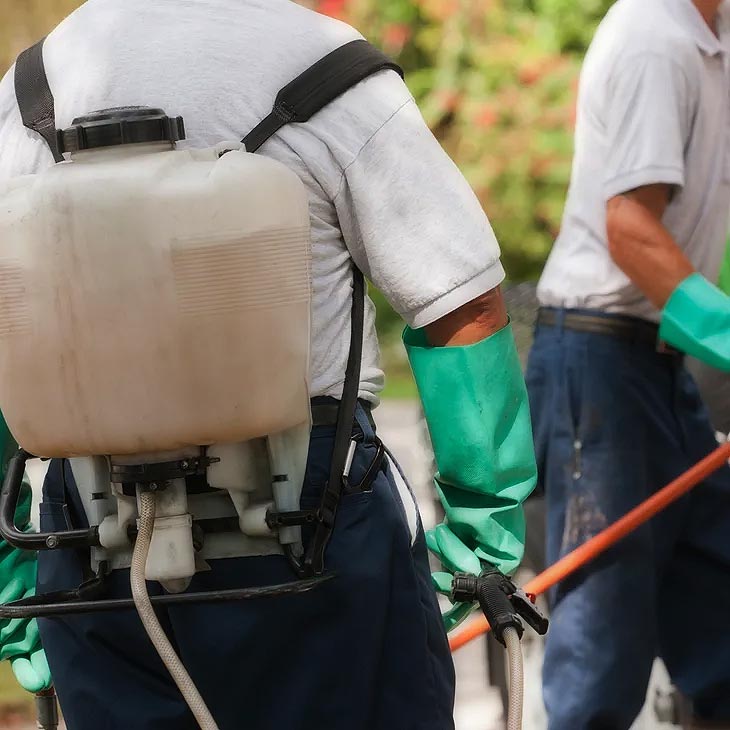
A healthy lawn in Cape Coral can look effortless from the street, but anyone who has cared for turf in Southwest Florida knows better. Grass here grows under intense sun, regular humidity, sandy soil, summer downpours, and a long list of insects that never seem to take a season off. One week the yard looks dense and green. A few days later, there are ragged brown patches, chewed blades, or thinning areas that seem to spread overnight.
That is where professional Lawn Pest Control Services become more than a convenience. In Cape Coral, they are often the difference between a lawn that recovers quickly and one that keeps sliding backward despite mowing, watering, and fertilizing. Pest pressure is simply part of the landscape. The challenge is knowing which pest is active, how much damage it can do, and when treatment is actually worth the cost.
Homeowners often assume every yellow patch is a watering issue or a fertilizer problem. Sometimes that is true. Just as often, the real culprit is feeding below the surface or inside the thatch layer, where the damage starts before it becomes obvious. Good pest control is not about spraying blindly. It is about diagnosis, timing, and using the right method for the specific pest and the specific lawn.
Why lawn pests are such a persistent problem in Cape Coral
Cape Coral offers ideal conditions for turf pests. Warm temperatures extend the feeding season, moisture helps populations build quickly, and many neighborhoods have large expanses of irrigated grass that create a stable food source. St. Augustine grass, a common choice in Florida lawns, is especially attractive to several destructive insects. That does not mean other grass types are immune, but St. Augustine often takes the brunt of the pressure.
The local environment adds another wrinkle. Sandy soil drains fast, which can stress turf between irrigation cycles. A stressed lawn is not always what attracts pests, but it does recover more slowly once pests arrive. In practical terms, this means two homes on the same block can have very different outcomes. One lawn bounces back after treatment. Another stays thin for months because roots were weak to begin with.
Seasonality matters too, but not in the way it does up north. Cape Coral does not have a clean dormant period that resets everything. Pest activity may slow at certain times, yet many insects remain active or reappear quickly as conditions warm. That is one reason recurring service plans are common. A single treatment can solve an outbreak, but ongoing monitoring is what keeps small issues from becoming expensive lawn repairs.
The pests that cause the most trouble
In this area, a few pests account for most serious turf damage. Chinch bugs are among the most notorious. They are small, fast, and easy to miss unless you know what you are looking for. They feed by sucking moisture from grass blades, and the resulting damage often resembles drought stress. A homeowner sees dry-looking patches, turns up the irrigation, and the infestation keeps spreading.
Sod webworms are another frequent issue. The adult moths are not the main problem. Their larvae are. These caterpillars feed on grass blades, often at night, leaving behind irregular chewing damage that can make the lawn look scalped in spots. Armyworms can create a similar problem, sometimes with startling speed after weather patterns favor a hatch.
Mole crickets are less common in some neighborhoods than they once were, but where they show up, the damage can be severe. They tunnel through the upper soil profile, disturbing roots and weakening turf. The lawn may feel spongy underfoot, and sections can peel back more easily than healthy grass should.
Grubs get plenty of attention, though they are not always the main villain in Florida lawns the way they are in some cooler regions. When they are present in damaging numbers, they feed on roots and create soft, thinning areas. Secondary damage can make the problem worse if animals begin digging for them.
Fire ants deserve a mention as well, even though they are not turf-feeding pests in the same sense. They create mounds, interfere with mowing and outdoor use, and can turn a lawn into an unpleasant place for children, pets, and anyone doing routine yard work. Many Lawn Pest Control Services Cape Coral FL providers include ant management as part of a broader outdoor pest program, though it may be separate from turf insect treatment.
What professional lawn pest control actually includes
A reputable service does much more than apply product and leave. The better companies start with inspection. They look at turf density, blade damage, root strength, thatch, irrigation patterns, sunny and shaded zones, and how damage is distributed. Pest injury tends to leave clues. Chinch bug damage often follows hot, dry edges near sidewalks or driveways. Caterpillar feeding can appear more random. Root-feeding issues show up differently than surface feeding.
Once the likely cause is identified, treatment is chosen based on the pest, its life stage, and the condition of the lawn. This matters because the same product or application style will not perform equally well against every insect. Surface feeders may require a different approach than pests living lower in the canopy or soil. Timing can be just as important as chemistry. An application made too early may fade before peak activity. Too late, and you are treating heavy damage instead of preventing it.
Most established companies also build recommendations around the lawn as a system. If irrigation is excessive, if the mowing height is too low, or if the lawn is overfertilized, they will usually say so. That is not upselling. It is practical. Pest control works best when grass is healthy enough to outgrow minor injury and fill in after treatment.
Here is what a thorough service visit often covers:
- Inspection of damaged and surrounding turf to confirm whether insects are present and active.
- Identification of the most likely pest, or a short list of suspects if the signs overlap.
- Targeted treatment using products and methods appropriate for the pest and the season.
- Guidance on watering, mowing, and recovery so the lawn can rebound after the infestation.
- Follow-up monitoring when the infestation is severe or conditions favor reinfestation.
If a company skips straight to treatment without checking the lawn carefully, that is usually a sign to ask more questions. Misdiagnosis is one of the main reasons homeowners pay for pest control and still see the lawn decline.
Signs you may need a service call
The first warning signs are often subtle. You may notice grass that wilts faster than the rest of the yard even though irrigation seems even. You may see blades with notches, ragged edges, or a faded yellow cast that does not improve after watering. Sometimes birds start pecking at one area more than usual, which can hint at insect activity in the turf.
As damage progresses, patches widen and merge. The grass may pull up more easily because roots are compromised. Walking across the lawn can reveal uneven texture, almost like stepping on a thin mat instead of anchored turf. At that stage, waiting another week rarely helps.
The problem is that pest damage overlaps with disease, drought stress, nutrient problems, pet urine, and mower scalping. I have seen homeowners replace sections of sod when what they really needed was a targeted chinch bug treatment and a few irrigation adjustments. I have also seen the reverse, where a pest treatment was applied to what was actually a fungus issue worsened by daily watering. Good Lawn Pest Control Services save money partly by avoiding those wrong turns.
Preventive service versus one-time treatment
Some homeowners only call when the lawn already looks bad. Others prefer a scheduled prevention plan. Neither approach is automatically right or wrong. It depends on your property, your tolerance for risk, and how much damage you can afford before acting.
A one-time treatment can make sense if the lawn has been stable for years and an isolated outbreak appears after unusual weather. It can also suit owners who watch their lawn closely and catch changes early. The downside is that by the time damage is visible, the infestation may already be well established.
A preventive plan is more common in neighborhoods where pest history repeats itself. It spreads out the cost, includes regular eyes on the property, and usually catches early-stage issues before they destroy large sections of turf. For homes with extensive St. Augustine, irrigation systems, and full sun exposure, preventive service often pays for itself simply by avoiding resodding.
There is also a middle ground. Some companies offer seasonal monitoring with treatment only when thresholds are met. That approach can be sensible for owners who want professional oversight without committing to a full blanket schedule.
What treatment methods look like in practice
Professional turf insect control is usually delivered as a liquid application, a granular treatment, or a combination of the two. The choice depends on the target pest, weather conditions, and whether the product needs to remain near the surface or move into the soil with irrigation.
Liquid applications are often used when precise coverage matters, especially for surface-feeding insects. Granular products can be effective as well, but they usually need proper watering afterward to move into the right zone. That sounds simple, yet it is one of the most common failure points. Too little irrigation and the product sits where it cannot work well. Too much and it may move beyond the target area or stress the lawn further.
Cape Coral https://beauacib635.zenbloomer.com/posts/smart-reasons-to-invest-in-lawn-pest-control-services-today weather complicates scheduling. Afternoon storms can wash treatments off or dilute them if timing is poor. Wind can affect application quality. Heat can push pests deeper into protected zones during the day. Experienced technicians account for these details. They know a treatment plan on paper is not the same as a treatment plan in the field.
Many homeowners ask whether one application will fix everything. Sometimes yes, especially with early infestations. More often, the answer depends on the pest and the level of injury already present. You may eliminate the insects quickly but still need several weeks, or longer, for the grass to recover. If roots were badly damaged, some areas may require plugging or resodding even after the pest issue is controlled.
How to choose the right provider in Cape Coral
The local market includes lawn care companies, fertilization specialists, broad pest control firms, and owner-operators who focus on turf. Price matters, but this is one of those services where the cheapest option can become expensive if diagnosis and follow-through are weak.
A strong provider should be able to explain what they found, why they believe a certain pest is involved, and what outcome you should realistically expect. If the lawn is too far gone for treatment alone to restore it, they should say that plainly. Credible professionals do not promise instant greening or guarantee that every brown patch will recover.
When evaluating Lawn Pest Control Services Cape Coral FL, pay attention to communication and specificity. Ask what pests are common on your grass type, how treatment timing is determined, and whether follow-up is included. If the company also handles fertilization, weed control, or disease management, that can be helpful because turf problems often overlap. The best results usually come from coordinated care rather than isolated treatments.
A few practical questions can reveal a lot:
- What pest do you believe is active, and what signs support that diagnosis?
- Is this a curative treatment, a preventive treatment, or both?
- What should I do with irrigation after service?
- How long before I should expect to see the infestation stop spreading?
- If the lawn does not improve, what is the next step?
Clear answers are a good sign. Vague assurances are not.
Cost expectations and what affects pricing
Pricing varies widely based on lot size, infestation severity, product choice, and whether the service is bundled with broader lawn care. A small one-time treatment may be modestly priced, while recurring service on a larger property with heavy pest pressure will cost more. There is no honest flat number that fits every home in Cape Coral.
What matters more is value. A low-cost treatment that misses the pest, or solves the immediate outbreak but leaves the conditions that caused it, is not a bargain. A somewhat higher-priced service with accurate diagnosis, proper timing, and follow-up often costs less over the full season.
If sod replacement enters the picture, expenses rise quickly. That is why early intervention matters. Treating the first 200 square feet of damage is usually far cheaper than replacing 1,500 square feet of dead turf later.
What homeowners can do between professional visits
Professional treatment works best when routine lawn practices support recovery. Mowing too short is a common mistake in Cape Coral. It reduces the plant’s ability to handle stress and can make damage look worse. For St. Augustine, keeping the height on the higher end of the recommended range usually helps. Sharp mower blades matter more than many people think. Ragged cuts create extra stress and can muddy the visual picture when you are trying to diagnose a problem.
Watering should be deep enough to support roots but not so frequent that the lawn stays constantly wet. Exact timing depends on rainfall, soil, and sprinkler coverage, but daily irrigation is often excessive unless new sod is being established. Overwatering does not prevent chinch bugs, and it can invite other issues.
Fertilizer should be applied with restraint and according to local guidelines. Pushing lush growth can sometimes make turf attractive and tender, while also creating a false sense that greener grass equals healthier grass. Healthy turf is about balance, not just color.
Regular observation is one of the most underrated tools. Walk the lawn every week or two. Look near pavement edges, sunny sections, and areas that have had problems before. Catching a new infestation early can save a lot of frustration.
Pets, children, and treatment safety
This is a fair concern, especially for families who use the lawn daily. Reputable companies should provide clear reentry guidance after treatment, usually based on label instructions and whether the product needs to dry before normal use. If a provider cannot explain this clearly, that is a problem.
It is also worth asking whether spot treatment is possible in certain situations. Not every issue requires blanket treatment of the entire property. Targeting active zones can reduce material use when the infestation is localized, though that decision should be based on inspection rather than guesswork.
When the lawn needs more than pest control
Sometimes the insects are only part of the story. If the lawn has severe compaction, irrigation coverage gaps, deep thatch, poor drainage in certain pockets, or previous herbicide injury, eliminating pests may only stop the decline, not restore full density. This is where experienced judgment matters.
I have seen lawns treated successfully for insects that still looked rough a month later because the root system had been weak for a long time. In those cases, aeration is not always the answer in Florida turf, but adjustments in mowing, irrigation calibration, soil improvement where appropriate, or partial resodding may be necessary. A strong pest control provider recognizes when the conversation needs to expand beyond insects.
What good results really look like
The ideal outcome is not simply dead pests. It is a lawn that stops declining, starts filling in, and becomes less vulnerable to the next wave of pressure. For minor infestations, that can happen fairly quickly. For more serious damage, recovery may take part of a growing season, especially if root loss was involved.
You should expect the spread of injury to slow or stop first. Visual recovery comes second. Uniform color and density return last. That sequence is normal. Homeowners often worry that treatment failed because the brown patch is still visible a week later, but damaged blades do not turn green again. New healthy growth has to replace them.
That is one more reason realistic communication matters. Honest Lawn Pest Control Services set expectations clearly, treat the right problem, and help you understand what recovery should look like over time.
Cape Coral lawns can be beautiful, but they are not low maintenance, and they are certainly not pest free. With the right diagnosis, timely intervention, and a service provider who understands local turf conditions, most pest issues can be managed before they turn into major lawn loss. The goal is not perfection every day of the year. The goal is resilience, a lawn that can take pressure, recover well, and stay usable and attractive through Florida’s long growing season.
Maximum Pest Control
Address: 836 NE 7th Terrace Ste 5, Cape Coral, FL 33909
Phone number: +12392373835
FAQ About Lawn Pest Control Services Cape Coral FL
How much is yard pest control?
Professional yard pest control generally costs $50 to $200 per individual treatment, while a full-season package or annual contract ranges from $200 to $1,000 depending on the specific pests and your lawn size. If you are looking for simple outdoor perimeter treatments to keep bugs from crossing into your house, expect to pay around $85 to $200 per visit.
How to get rid of pests in your lawn?
To get rid of pests in your lawn, first identify the specific bug or damage. Clear away tall grass, weeds, and standing water. Treat surface or subsurface pests like grubs and ants using a broadcast spreader with granular insecticides like Spectracide Triazicide Granules or Sevin Lawn Granules, then water the lawn lightly.
What does pest control do for your lawn?
Lawn pest control targets destructive insects and biters like grubs, chinch bugs, fleas, and ticks using specialized liquid or granular treatments. These services protect grass roots from dying, prevent brown or yellow dead patches, and lower health risks for your family and pets.